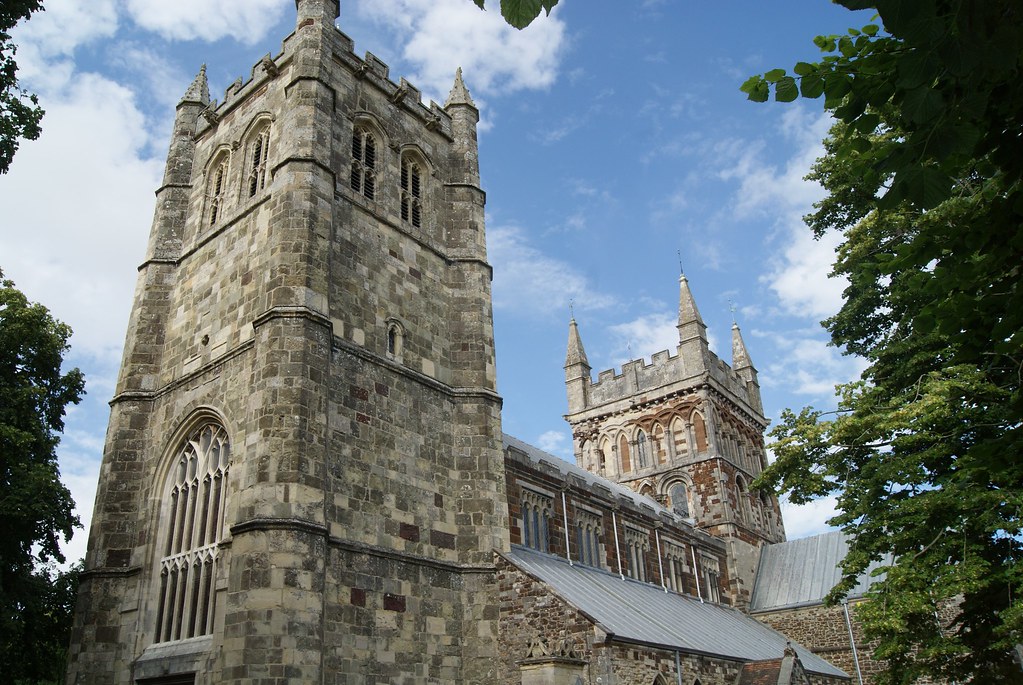
Bell Ringing, Uncategorized

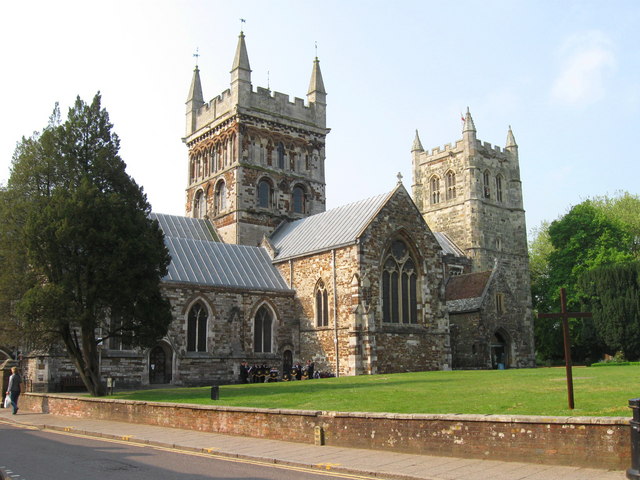
Ringing for Royal Events at Wimborne Minster

This presentation was displayed in Wimborne Minster as part of the Queen’s Platinum Jubilee weekend in June 2022. To watch on FULL SCREEN, click the 3 dots in the bottom of the window and follow the instructions.


Research by Kathy Bentley and Gillian Richards
With thanks to the staff of the Dorset History Centre
Photos of peal boards and peals by Alan Bentley

Uncategorized

Adventure Fun Day – Saturday 18 September 2021

Why not pop along to the Adventure Fun Day taking place on the Minster Green in Wimborne on Saturday 18th September.

In addition to charity stalls, the Dorset Youth Marching Band, a Climbing Wall and Teddy Bear Zip Dive, Minster Bell Tower Tours will take place between 10am – 2pm.

If you fancy tackling the 72 steps up the narrow staircase, there will be demonstrations of ringing, a visit to the ringing chamber, a video link to the bells when ringing, and an opportunity to learn a bit about the art of ringing and meet the local bellringers.

We hope that this will be a day of fun for the whole family so do come along and enjoy yourselves. For Bell Tower tours, face masks will be required, and children must be over 8.

Uncategorized

Handbell ringing for 2021 Salisbury Diocesan Guild Festival; 126 Grandsire Caters

Five members of the Wimborne Minster Society of Church Bell Ringers rehearsed and produced this 6 minute hand bell ringing audio-visual video. Due to lockdown protocols, all ringing had to take place outdoors, hence the setting.

The clip was played during the Festival, 8 May, 2021, as part of the on-line service led by the Bishop of Ramsbury and relayed via the Zoom platform.

Apart from one, all the featured churches are within the Salisbury Diocese.

Thanks to Trevor Prince (Chair, Wimborne Camera Club) for his help with the recording and editing of this presentation and to Flick & David Warwick for the use of their garden.

All photos and the video recording are copyrighted.

Uncategorized

Knowlton from ancient times

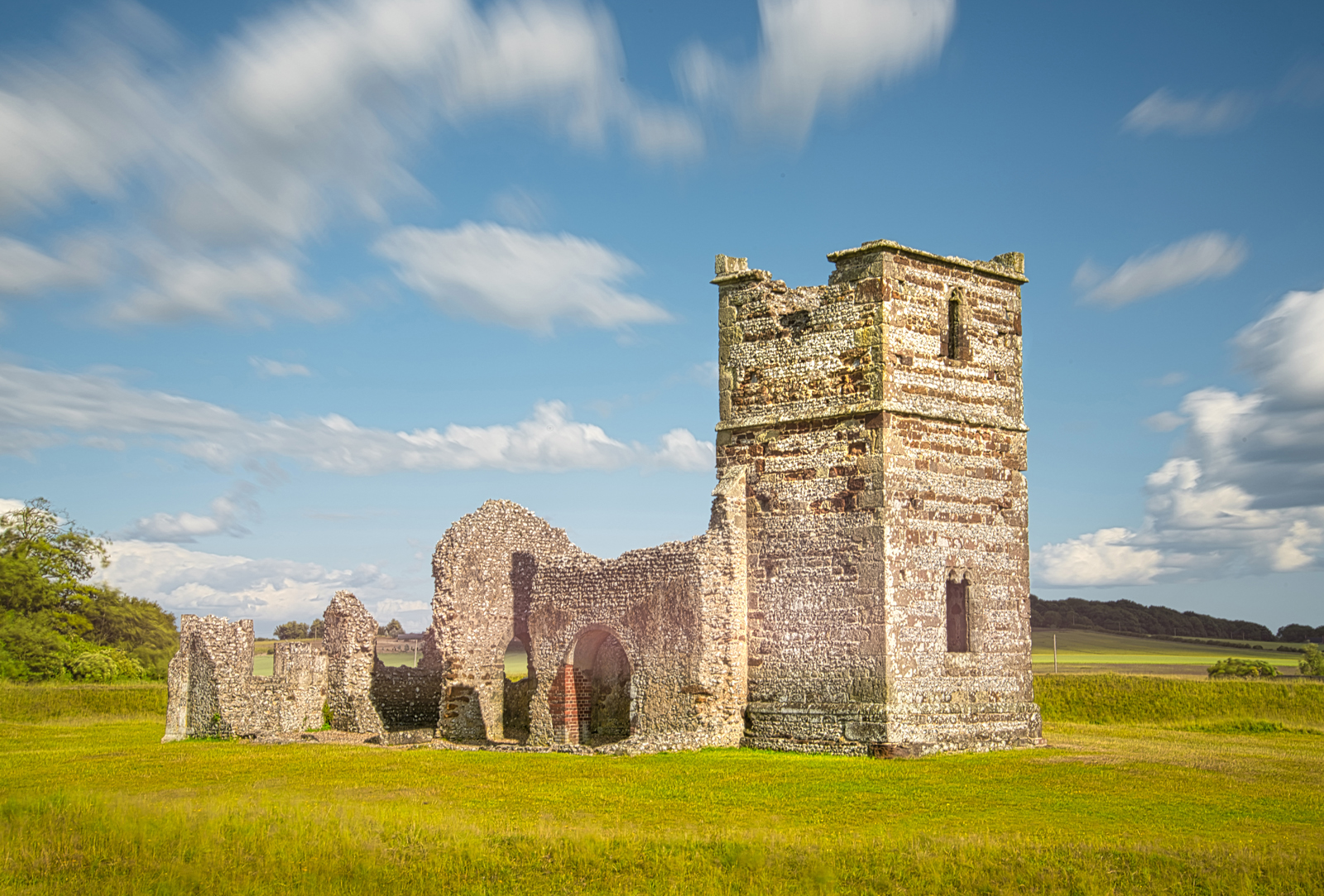
Knowlton Church

Knowlton Church, Dorset, with part of the Great Barrow left background.  Photograph by Alan Bentley (Nikon D810, 50 mm, f/18, 30 secs., ISO 64, ND1000 filter).

A unique group of Neolithic monuments in Dorset which have remained a significant and atmospheric presence for over 4,000 years and which became a place for Christian worship.

Knowlton is a hamlet that lies on the B3078 between Cranborne and Wimborne Minster. The church (probably one of the most photographed historic buildings in east Dorset) of unknown dedication, is located within a larger, ancient monument. The English Heritage sign at the entrance to this site says “A Norman church extensively re-modelled in the 14th century. It stands inside a late Neolithic Henge monument constructed c2500 BC. This consists of a ring bank [just visible in the photograph] with two entrances and an internal ditch: it was probably meant for ceremonial use”.

This site is part of a larger complex consisting of five large circular or sub-circular monuments. Three of the five monuments are henges, with banks outside their ditches: the Southern Circle (the largest), the central or Church Henge, and the Northern Circle, marked by a group of ancient yews. Next to these lies a smaller monument with an external ditch, known as the Old Churchyard, and also likely to be prehistoric (despite the name). On the other side of the central henge is a large tree-covered mound called the Great Barrow, the largest barrow in Dorset, and is surrounded by two concentric ditches.

Interesting as the complex is in itself – and the visible earthworks may only be the tip of an iceberg; aerial photography has revealed many other barrows and ditches in the vicinity – the later reuse of the site, and the legends it has spawned, are equally fascinating. In Anglo-Saxon times, people were buried close to the Great Barrow. Then in the 12th century, uniquely among henge monuments, a church was built within Church Henge (hence its name), serving a now vanished community. This subsequent use explains the good state of preservation of this henge compared with that of the other two.

The church was abandoned in the 18th century, about the same time that the antiquary William Stukeley (1687–1765) recounted a local tale that Knowlton had once been “an old city; and that strangers had come out of their way on purpose to see it; that ruins and foundations were there; that it had seven parish-churches, which were beaten down in the war time”. In fact there has only ever been one church at Knowlton. Perhaps the legend of seven churches is based on a false assumption that each of the Neolithic enclosures once had its own.

The site’s religious traditions continue to the present day with a local Druids’ grove regularly using it to celebrate the turning of the wheel of the year.

According to Christopher Dalton’s ‘The Bells and Belfries of Dorset’ at the 1552 inventory Knowlton church had three bells and a ‘lyche’ bell. The three bells remained until 1740 after which the chapel furniture was removed, the roof fell in and the bells disappeared.

There is a tradition that one of the bells was taken and carried off to Sturminster Marshall (some 12 miles by road from Knowlton). According to legend, this was theft and tales have sprung up around the bell’s removal from the old church. One local rhyme declared: “Knowlton bell is stole and fallen into White Mill hole”. The hole is a deep place in the bed of the River Stour, by White Mill Bridge at the approach to Sturminster Marshall. By the mid 19th century, the story was that the robbers were overtaken by angry Knowlton men at the bridge, and they threw the bell into the river rather than give it back. Three times the Knowlton men tried to drag it up but the rope broke each time. John Camp in his ‘In Praise of Bells’ has a variation of the rhyme: “All the Devils in Hell, Could never pull up Knowlton’s Bell!”

Dalton surmises from various accounts that the ‘stolen’ bell may have either been: left in the river; obtained, perhaps legitimately, and taken to Shapwick church (nearly 2 miles from White Mill) to become the now former clock bell; recovered by the parishioners of Horton, which would have included the residents of Knowlton. The mystery remains.

Much of the information about the monuments was obtained from the English Heritage web site which also has a very good aerial photograph of the complex showing the outline of the earthworks. The monuments are also visible on Google earth.

Compiled by Alan Bentley
 

Uncategorized

Wimborne bells ring out again

5746769_c3dcbf9f

We’re pleased to report that, after a long hiatus, we have now been allowed to return to the tower for Sunday morning service ringing. Public Health England and the Central Council have worked together to publish guidelines for safe conduct and responsible ringing. We are currently ringing 8 of the 12 bells in a safe formation to allow for social distancing (1,2,3,5,7,8,10,12) – so it may sound a little unusual until the guidelines are relaxed!

On Sunday 13th July, 8 ringers, armed with hand sanitiser (!) opened the first service in the Minster since March. 1.Katie Child, 2. Rob Child, 3. Hilary Child, 5. Max Knight, 7.Flick Warwick, 8. David Warwick, 10. David Coates, 12. Harry Blamire

We rang some very pleasant call changes for 15 minutes before ringing the 8th and Tenor down again for safety until next Sunday. The ringing was welcomed by the locals with Facebook posts and direct messages.

facebook

Uncategorized

The carillon gets removed

It is just a week since the Minster bells fell silent, and the structure of our regular meetings each Sunday and Tuesday dismantled.

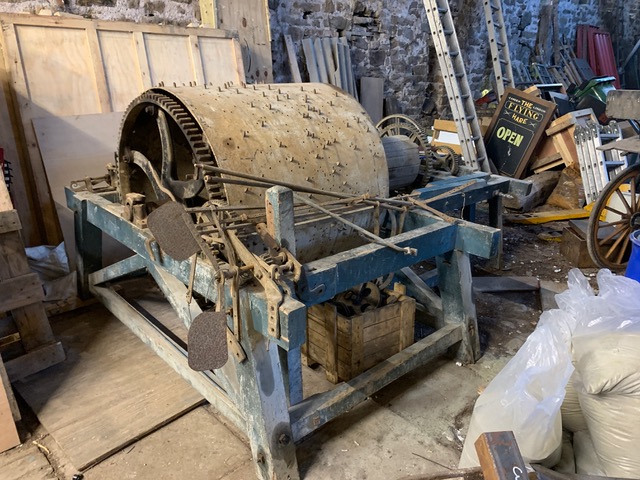
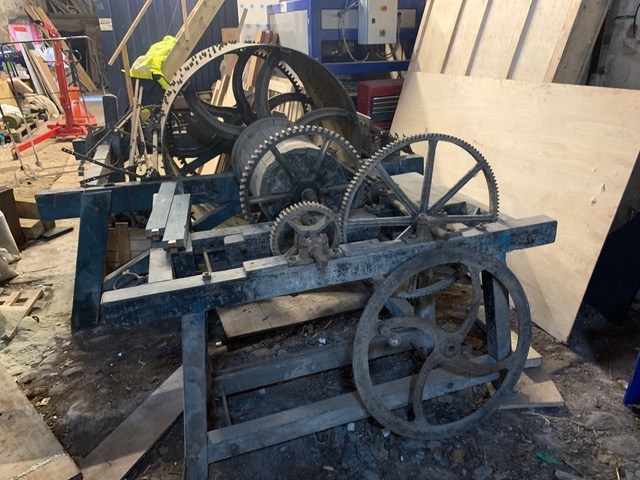
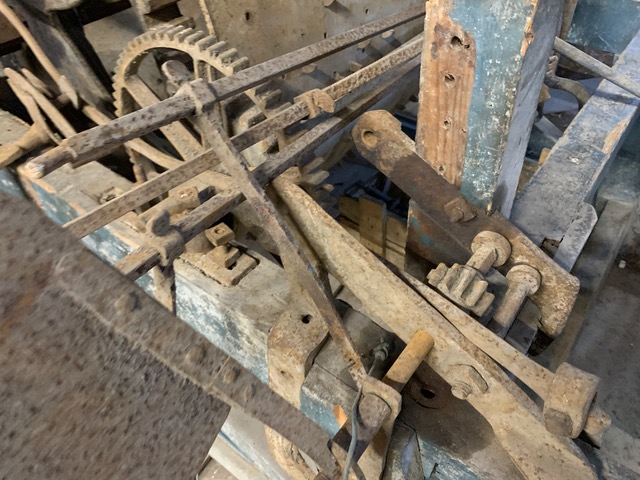
However last week, after having been an item of the WMSCBR AGM for many a year, the defunct carillon (which had sat in the ‘middle floor’ between the ringing chamber and the bells) was finally removed.

Cumbria Clocks have now reassembled the pieces of the carillon in their workshop, and you can see the results attached. The middle chamber is now, more or less, empty and clean, and the ringing chamber has been put back together.

Alan has kindly written a history of the chimes, which you can read here.

IMG_4455

IMG_4457

IMG_4458

Uncategorized

A visit to Exeter cathedral

Exeter Cathedral West Front-b

Image courtesy of Jack Pease

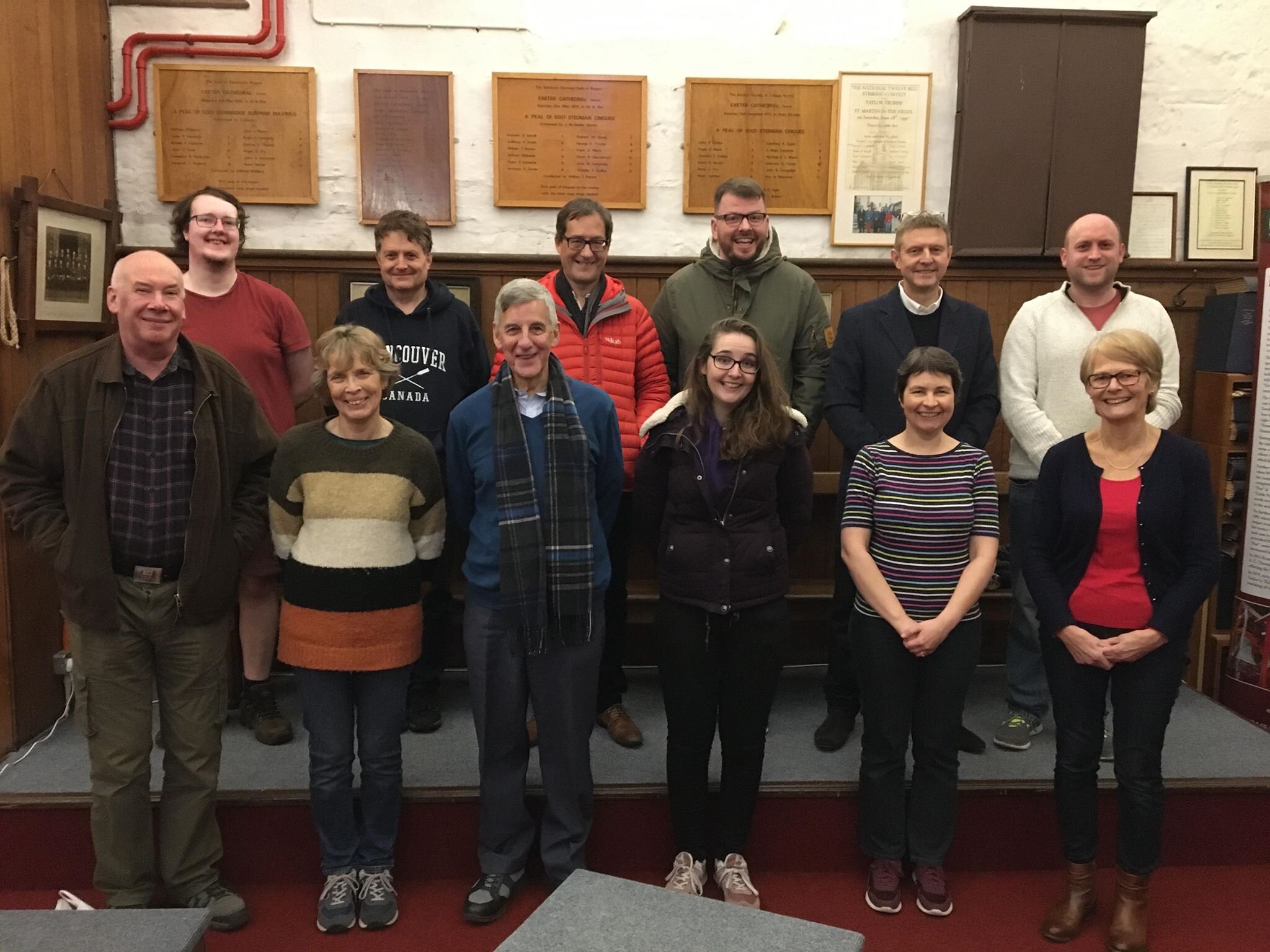
On Saturday 5 January, ringers from Wimborne Minster, Hampreston, Blandford,  Preston (Weymouth) and Westbury met at Exeter Cathedral, to attempt a quarter peal on the second heaviest ring of bells in the world.

Stedman Cinques was the principle; the band managed to navigate through the 1287 changes and finish in rounds after only 57 minutes – a brisk performance for such a heavy ring of bells.

Exter ringers.jpg

Band in ringing order (clockwise starting front right): Trish Hitchins, Hilary Child, Lucy Warwick, Ben Duke, Flick Warwick, Philip Rioch, Jack Pease, Rob Child, David Warwick (C), Harry Blamire, Nigel Woodruff, Chris Jenkins.

Uncategorized

A visit from Colehill Girl Guides

1

In November, we welcomed the Colehill Girl Guides to our practice nights at the Minster. This gave some young enquiring minds the opportunity to find out more about bellringing.

After a brief introduction, followed by an intensive round of questioning (not sure whether the Guides were working towards a bellringing badge or how to question like a Gestapo officer!), everyone had a go at learning to ring ‘backstrokes’ under the careful supervision of the ringers.

Most of the Guides showed a natural ability and a definite enthusiasm – so we’re hoping at least a handful will pursue further lessons.

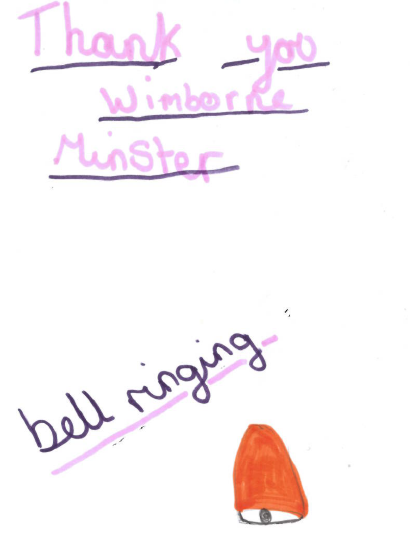
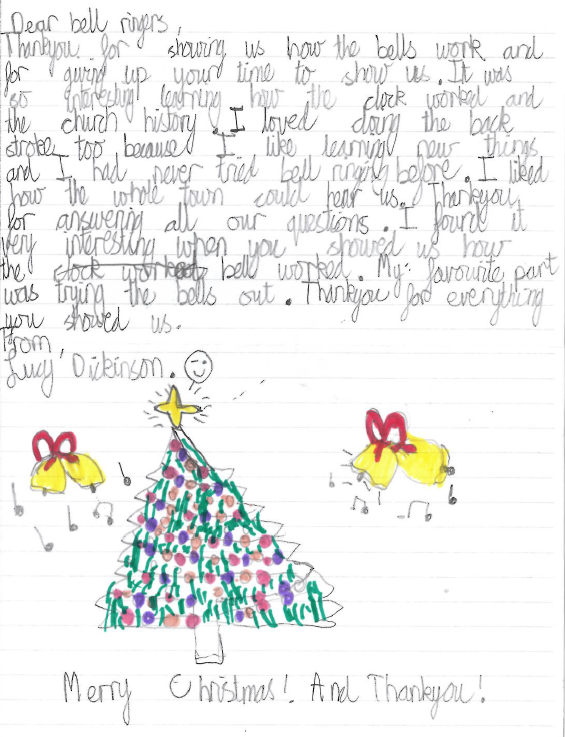
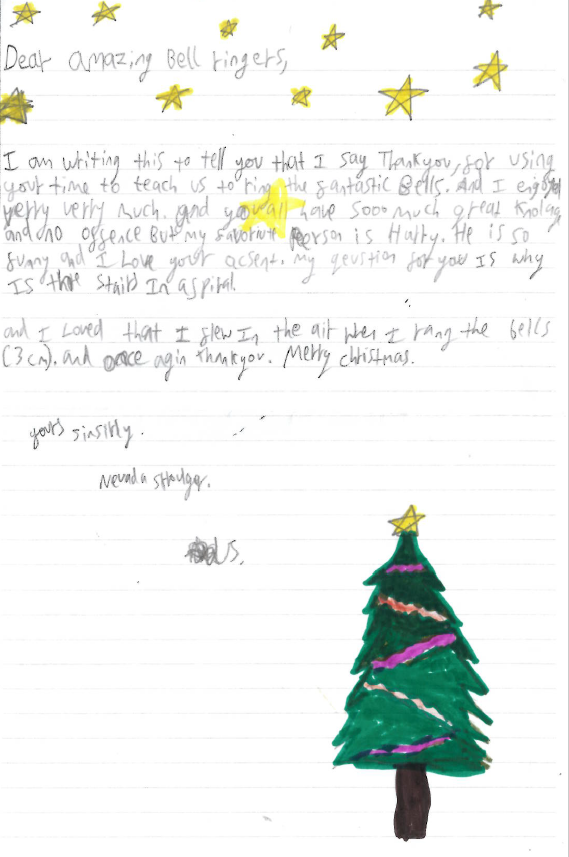
At the weekend, we received lots of really lovely ‘thank you’ messages from the Guides, which we’re planning to display in pride of place in the ringing room.

2

3

Uncategorized

Maurice lost to the churchwardens (again!)

DSCN2606

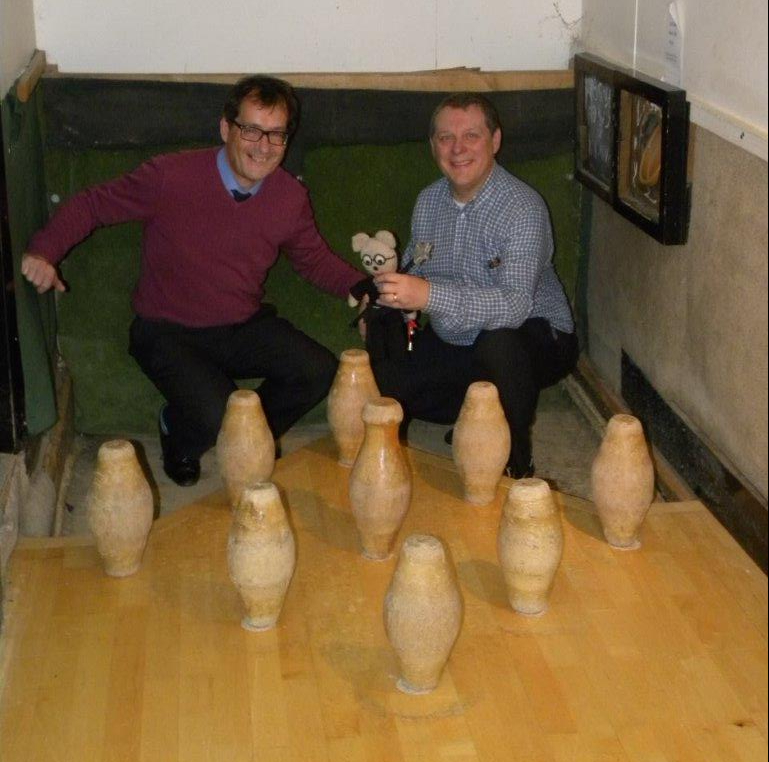
David ‘sticking up’ the skittles while Rev. Andrew jealously guards Maurice!

Once again, Minster ringers took on the churchwardens in the challenge to win the annual skittles match and win the prize of Maurice the Mouse*.

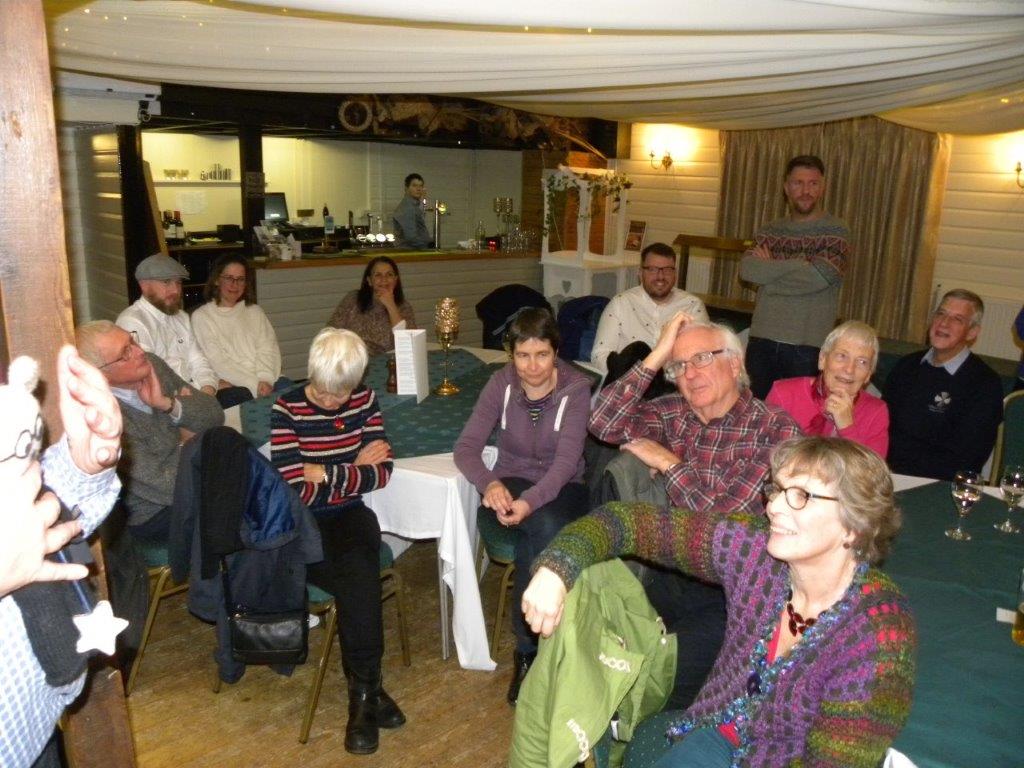
On Friday 22 November, the Langton Arms hosted the much-enjoyed competition; two rounds of skittles with a delicious buffet dinner in between.

Whilst the ringers lost to the churchwardens (by a measly 6 points!), Flick romped home with first prize in the ‘knock out’ round at the end of the evening.

A great night, ably organised by Peter Cook; thank you to everyone who supported the event.

DSCN2602

*Maurice is named after Maurice Jenkins, former verger and bellringer)

Uncategorized

Young ringers take on Wimborne

2395459_7739890a

On Saturday 16th November, nine younger members of the Salisbury Guild met up for a practice at Wimborne Minster. They came from towers as far away as Swanage, Upwey and Buckland Newton, and we were also pleased to welcome for the first time Holly, who is learning to ring in Bournemouth, along with her dad Adam who is also a ringer. We rang for just over an hour on the front 8 (Tenor 8cwt) and the ringing included Rounds and Call Changes, dodging practice, Plain Hunt on 7, Grandsire Triples and Stedman Triples.

Some additional helpers timed it well, arriving just in time for refreshments before supporting the younger ringers in ringing on 10 and 12. An excellent bob course of Grandsire Caters was rung with several young ringers in the band and everyone had the chance to ring Rounds on 12 several times, with Plain Hunt on 11 for the more experienced. We hope to be able to repeat this event next year.

Hilary Child (East Dorset Branch Young Ringers Co-ordinator)